
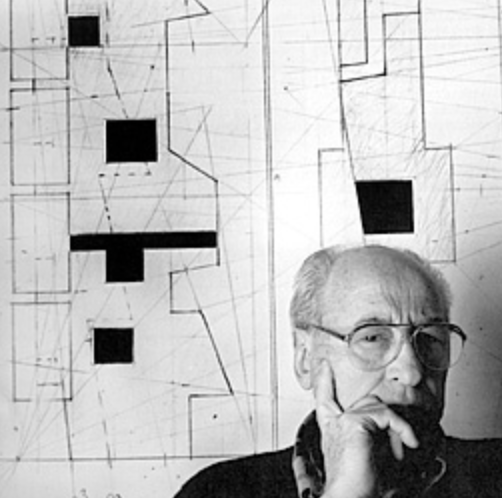
ARTIST
Gunther Gerzso
Gunther Gerzso, born in Mexico City to a Hungarian Jewish father and a German mother, played a pivotal role in the international Surrealist community of the 1940s and '50s. After working as a set designer in the Americas, he settled in Mexico City in 1941, where he developed his signature style influenced by precolonial art and architecture. His paintings, such as "Estela" (1947) and "La Ciudad Perdida" (The Lost City) (1948), blend ancient themes with visionary focus, evolving into vividly colored, geometrically patterned works like "Rojo-Amarillo-Azul" (1969) and "Tierra Caliente" (1987).
Biography
Born: 1915, Mexico City, Mexico
Died: 2000, Mexico City, Mexico
Gunther Gerzso was born in Mexico City to a Hungarian Jewish father and a German mother. Gerzso held a pivotal role within the international community of Surrealists in the 1940s and ’50s. As a teenager, Gerzso was sent to Lugano, Switzerland, to live with his uncle, an art collector and dealer. He returned to the Americas in the early 1930s to work as a set designer for theater and film productions, living between Cleveland, Ohio, and Mexico. With the aim of launching a painting career, he resettled permanently in Mexico City in early 1941 and swiftly became associated with contemporaries such as Leonora Carrington, Remedios Varo, Wolfgang Paalen, and Alice Rahon.
In 1946, Gerzso had a breakthrough that would lead to the development of his signature style. While traveling around Mexico for his set design projects, he came to deeply appreciate precolonial art and architecture, borrowing from it to paint shimmering scenes of intricate structures. The Art Institute’s collection contains the first two paintings that Gerzso ever sold—Estela (1947) and La Ciudad Perdida (The Lost City) (1948)—both of which demonstrate this style, one the artist would continue to develop over his long career. Artist Wolfgang Paalen described Gerzso’s paintings as “a reverberation of ancient glories and new promises,” noting that, in Estela, “The timeless presence of Mayan monuments is not merely remembered but brought into a visionary focus.” His later works, such as Rojo-Amarillo-Azul (1969) and Tierra Caliente (1987), move further away from pictorial representation and are characterized by vivid colors and sharply defined patterns of overlapping rectilinear planes, suggestive of the landscapes Gerzso so deeply admired.
Artwork

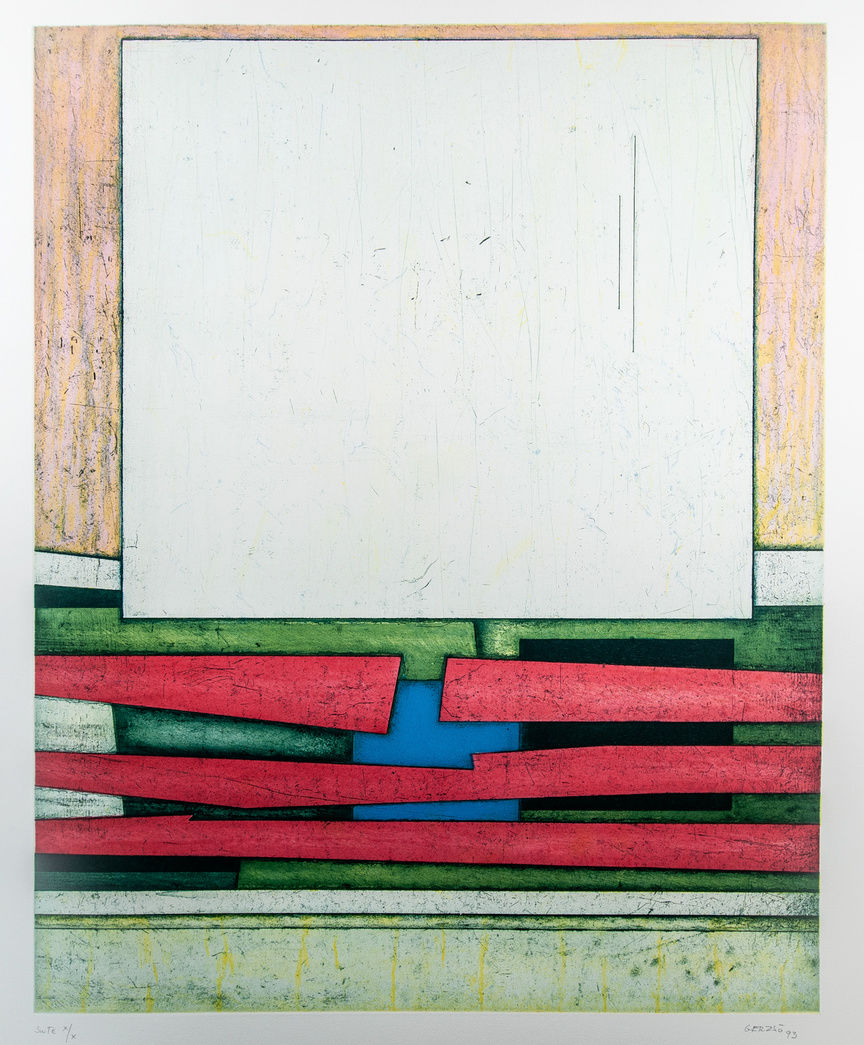
Manantial
$4,500
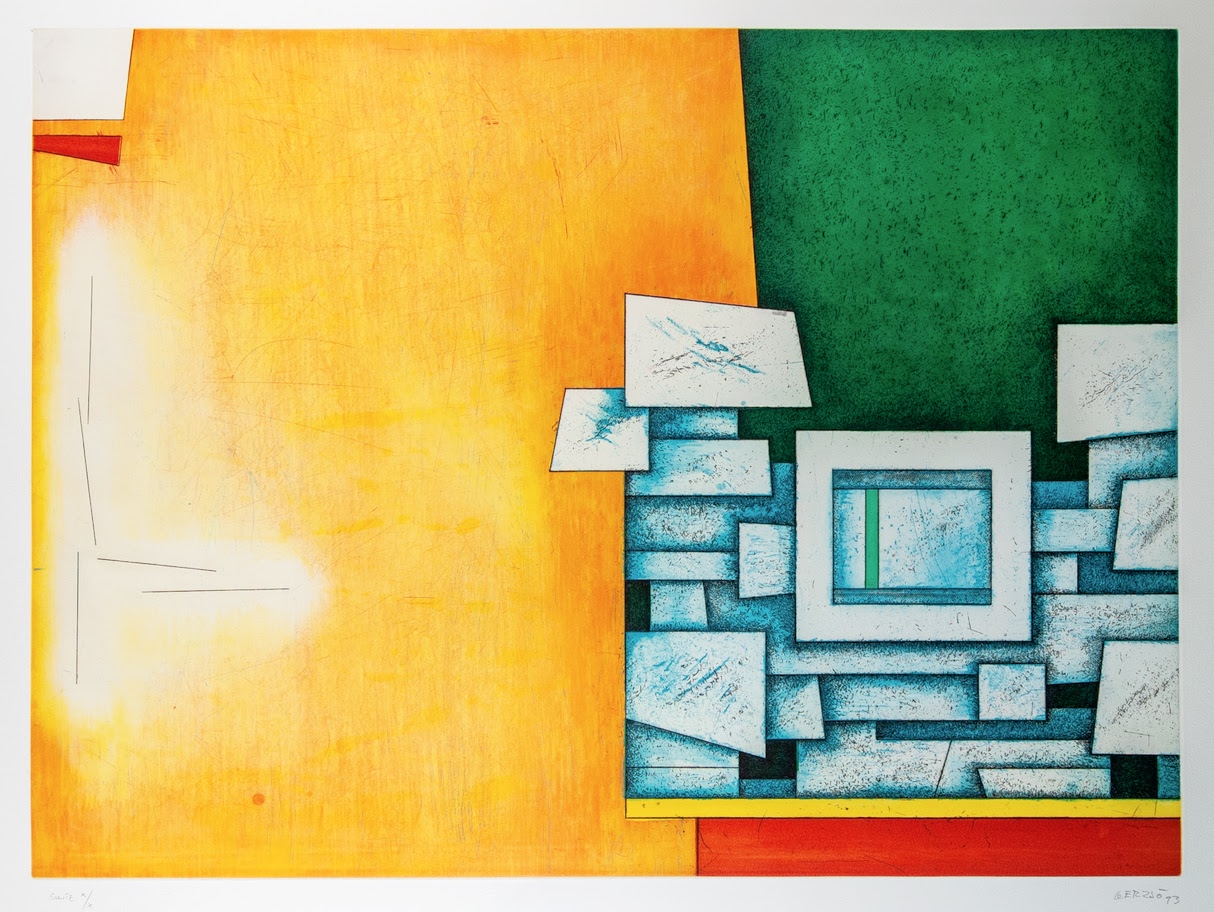
Sagrario
$4,500
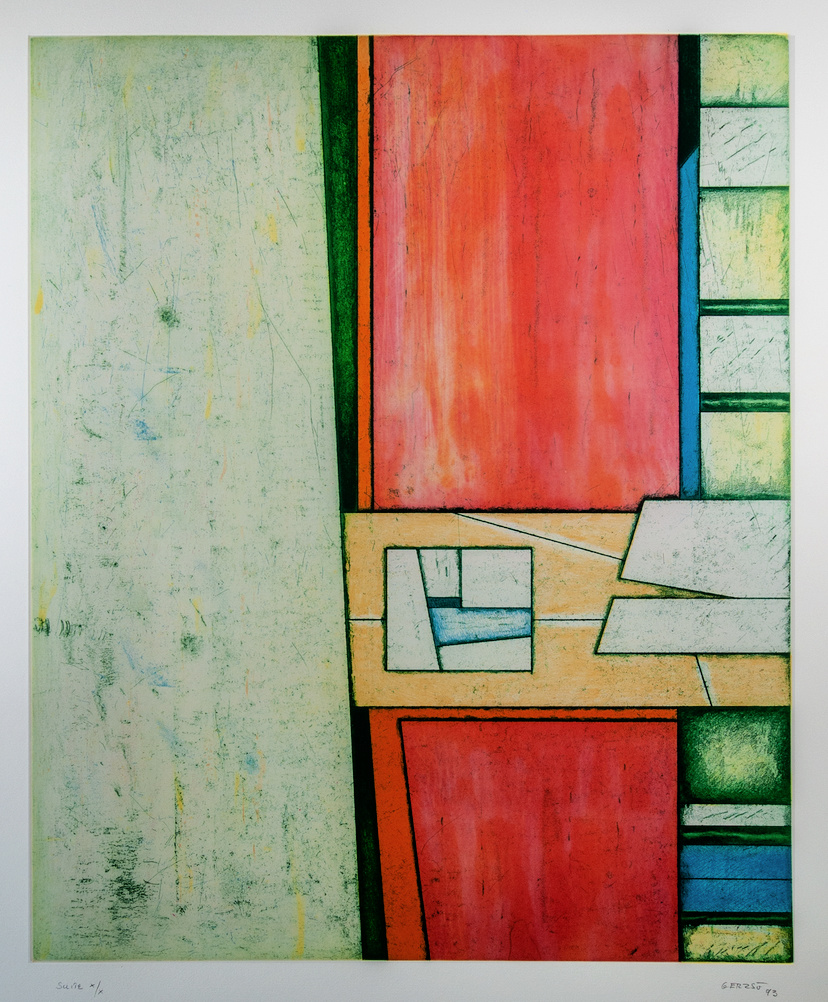
Dialago
$4,500
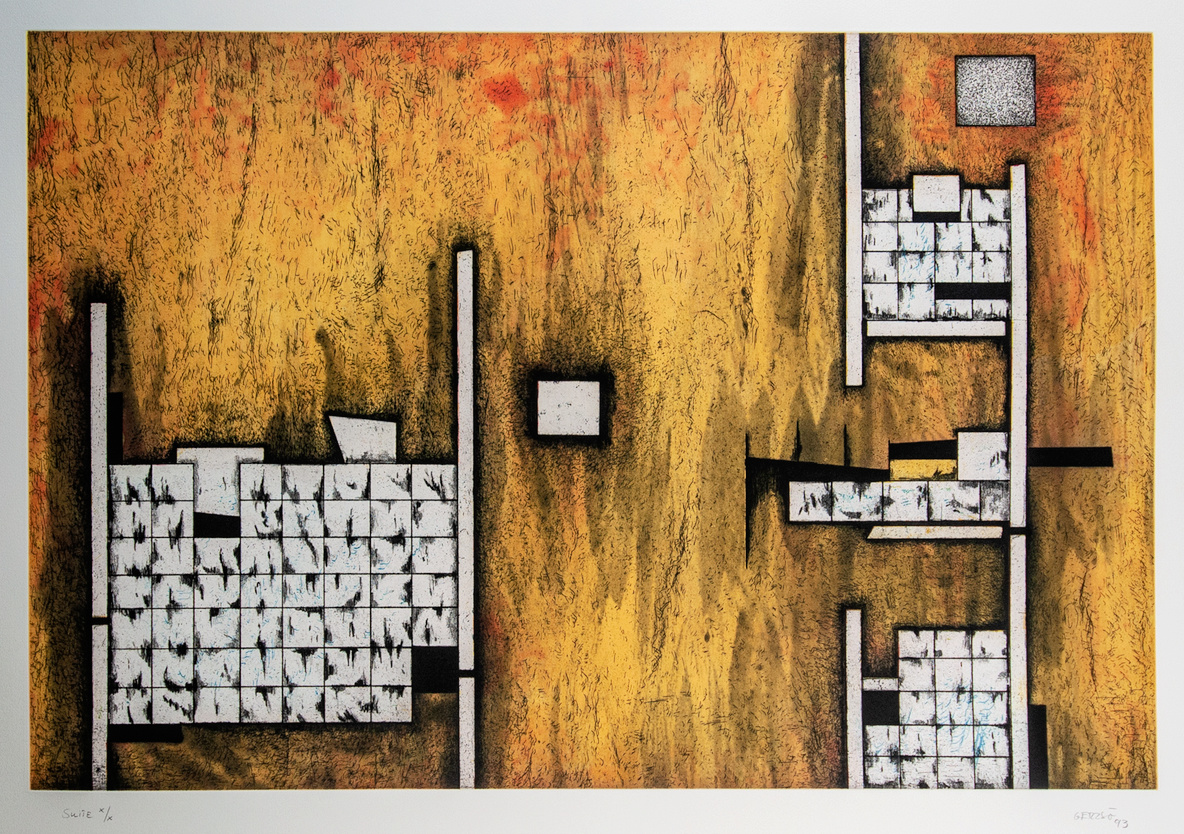
Tierro Amarilla
$4,500
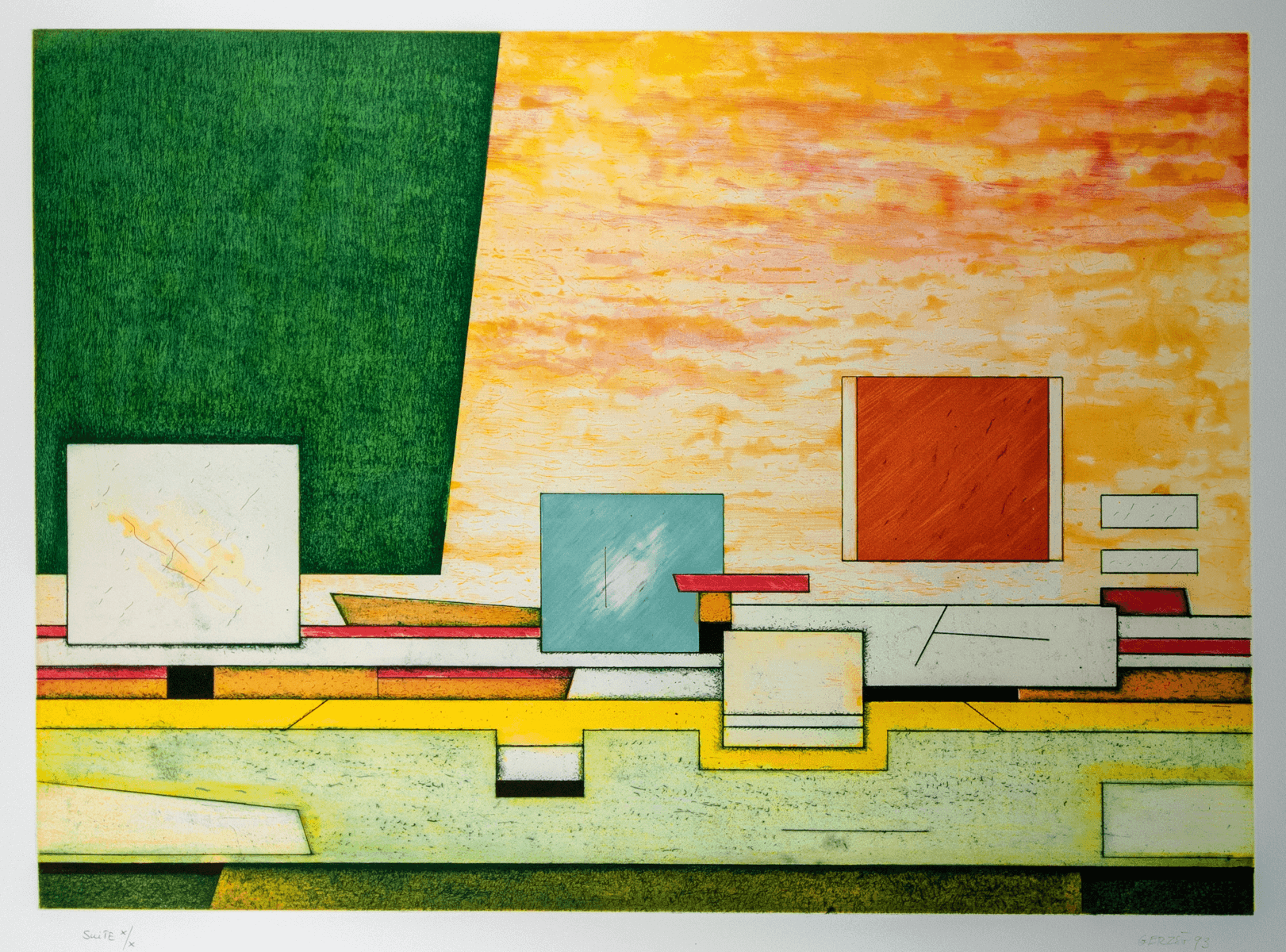
Ciudeadelia
$4,500
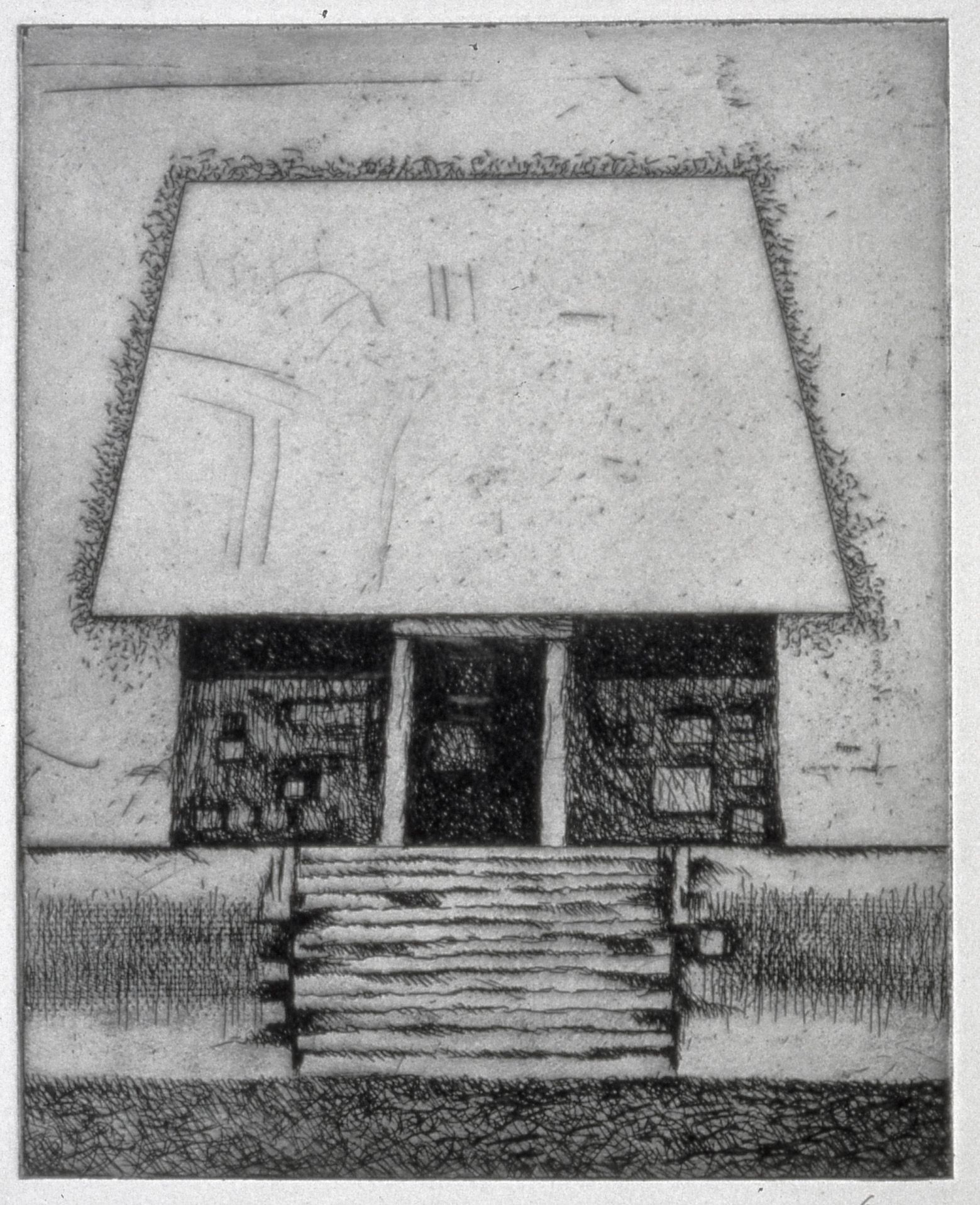
Temples, Templos
$9,200
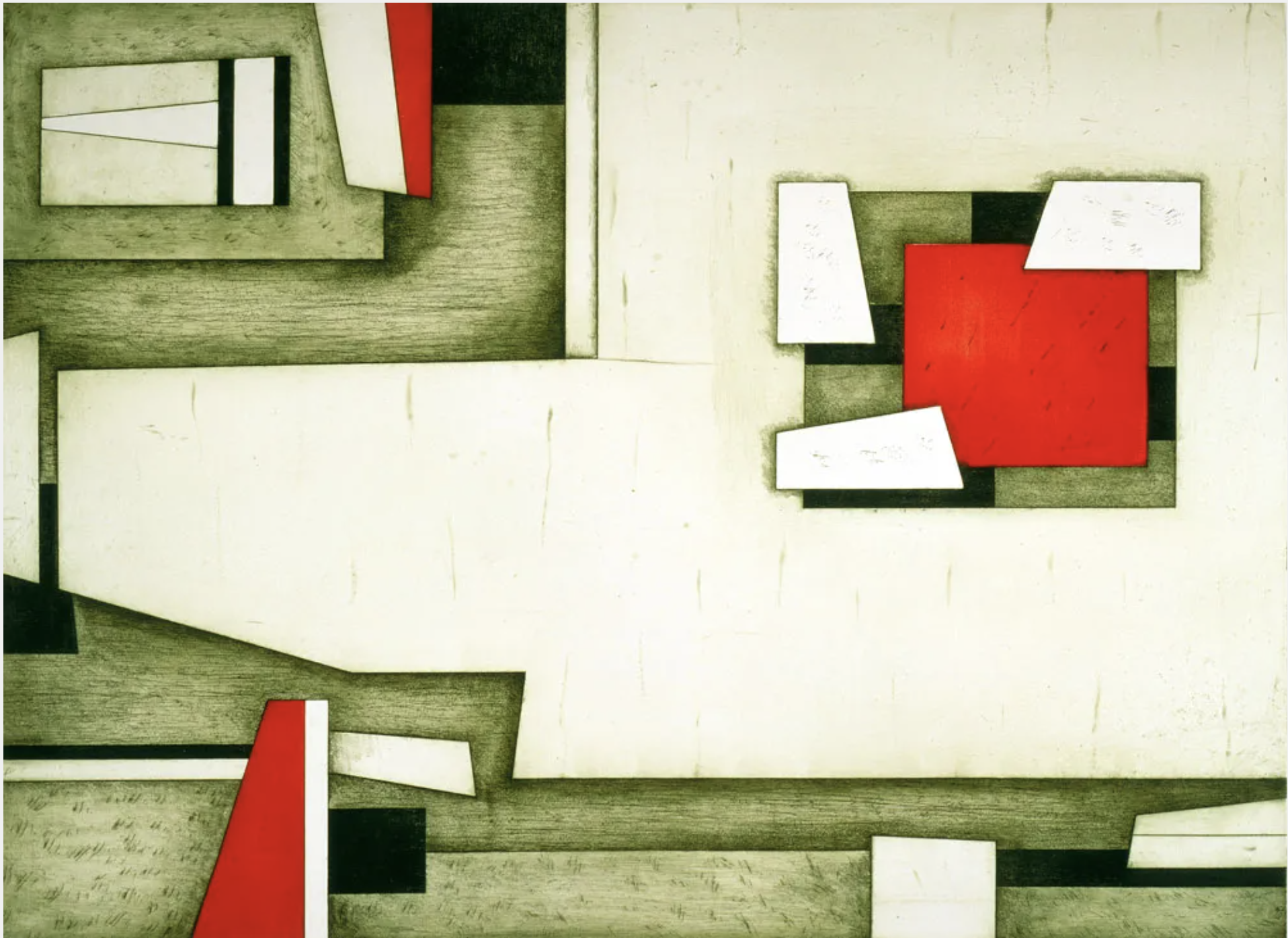
Na-Balom
$8,500
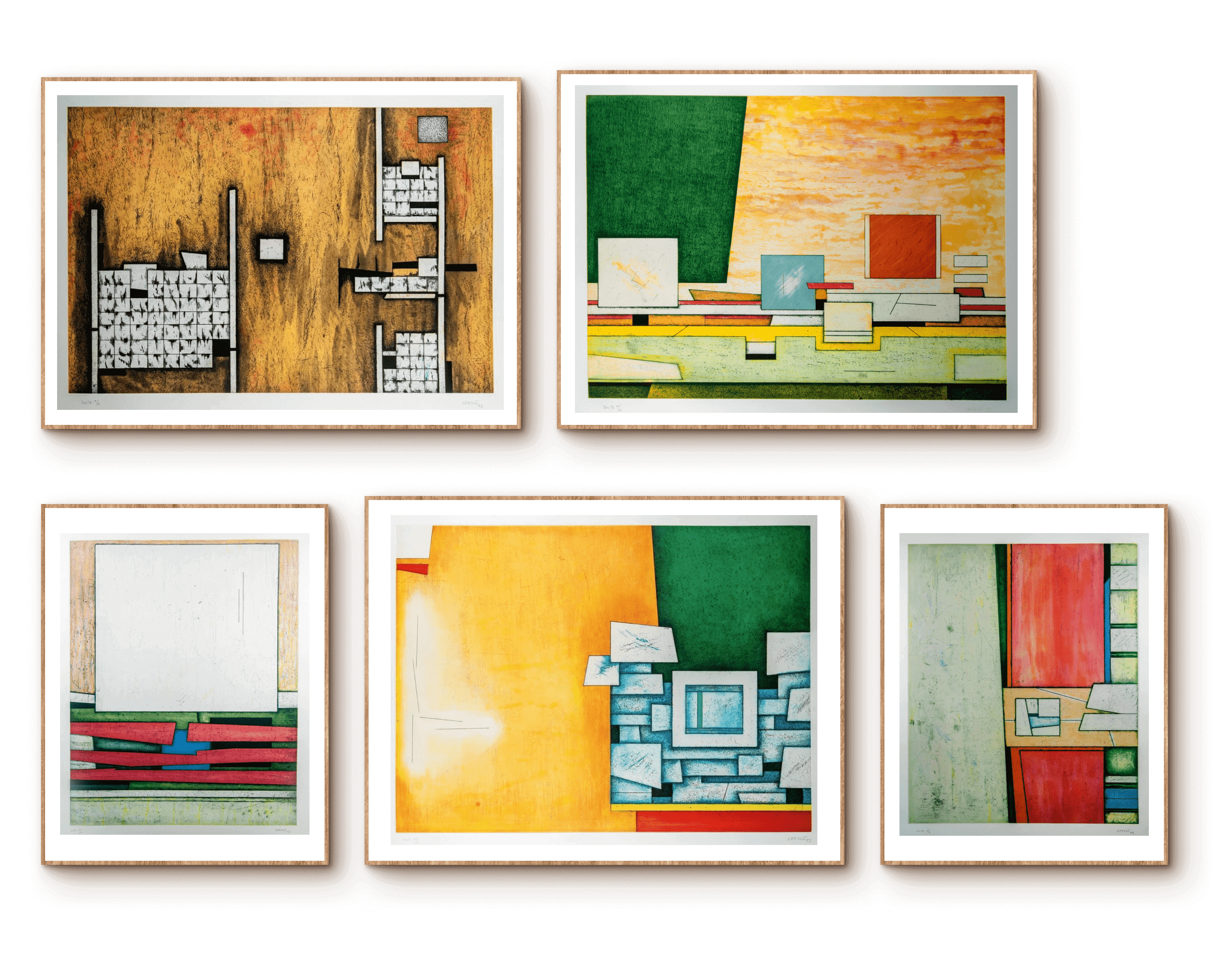
Gerzso Suite
$12,750

