
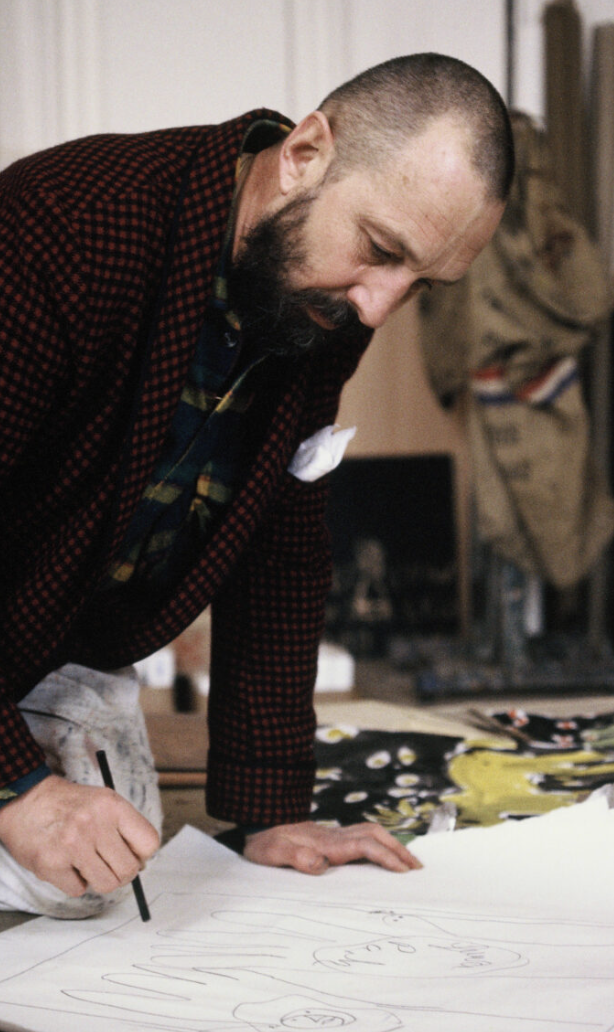
Georg Baselitz
He is known for his unique style of painting, which involves turning his subjects upside down, a technique he developed in the 1960s.
Born: 1938, Deutschbaselitz, Germany
Georg BaselitzValue Indicators


Recognition
German Postwar artist who rejected Abstraction in favor of raw and real subjects, influenced by the likes of William de Kooning and Philip Guston. Exhibited in collections at the Guggenheim Bilbao, MoMA, the Tate Modern.

Intent
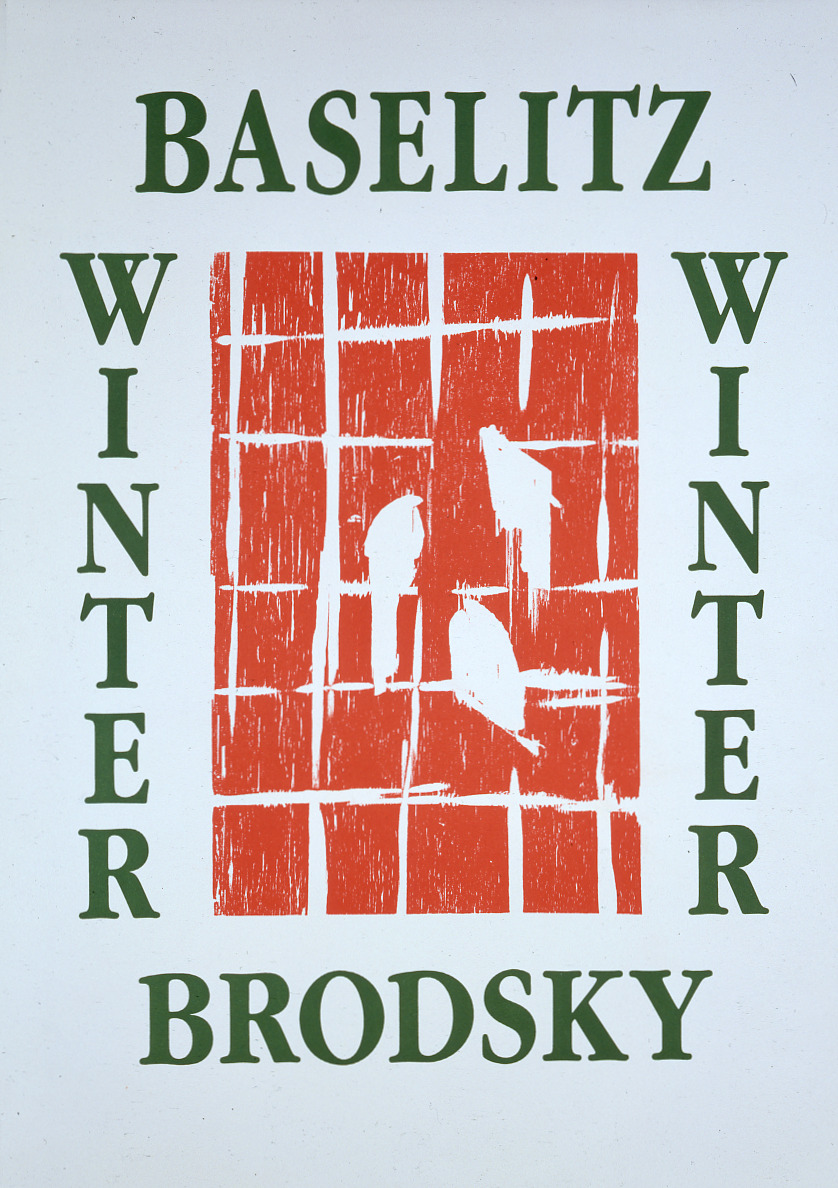
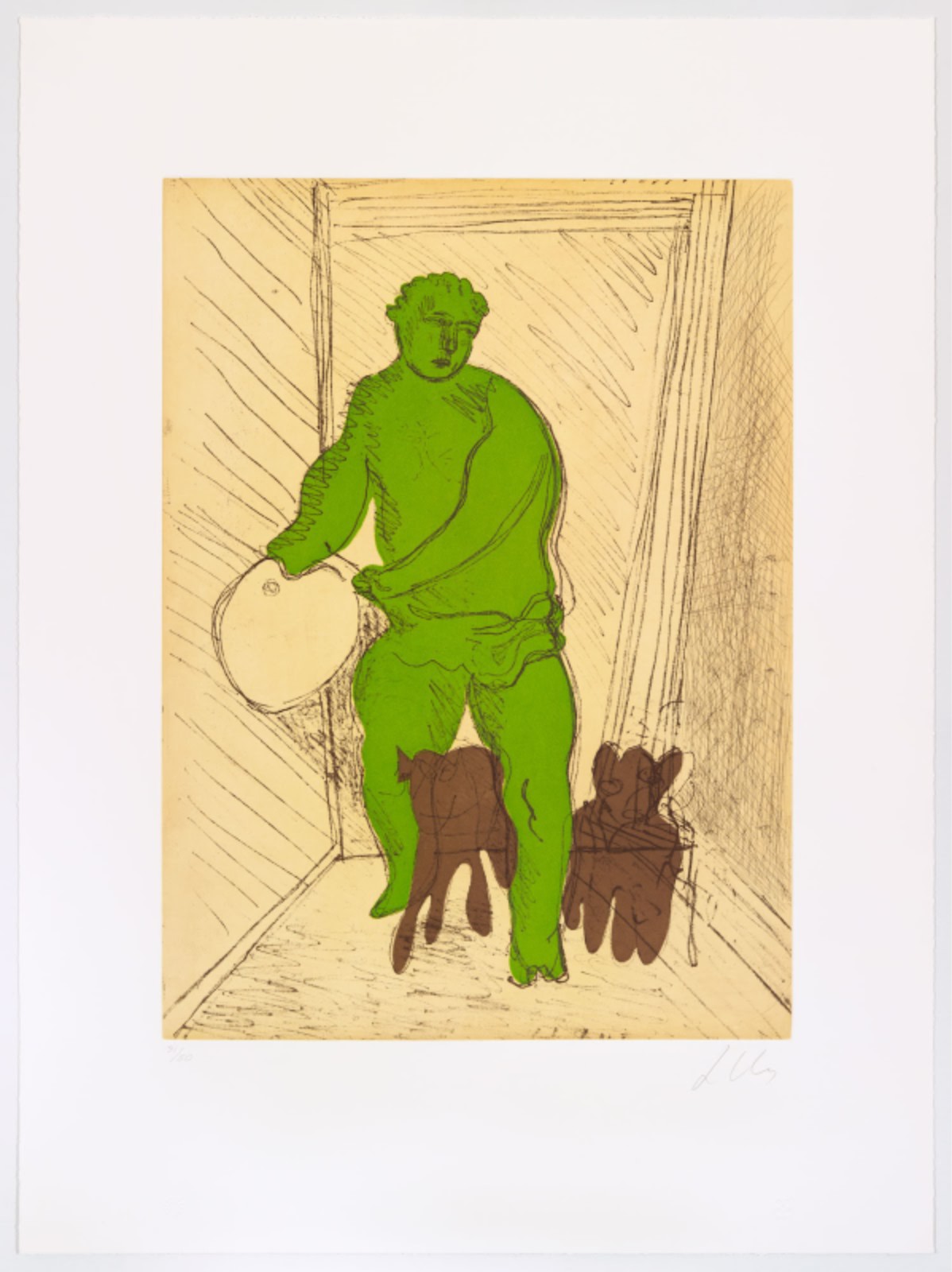
Nobel laureate, Joseph Brodsky, based his poem off of Virgil and uses songlike qualities and repetiton throughout. While Baselitz repeats the theme of inverted figure and emphatic green varying throughout the 14 etchings.

Composition
Baselitz returned to his sugarlift etched plates a second time with a deeper etch in acid, creating another plane of figures. Printed with edges unfinished and holding ink so that they frame this new composition of action.

Ceres Take
Distinct artistic language, evidenced by works selling for millions on the secondary market.

PARENT TECHNIQUE
Etching
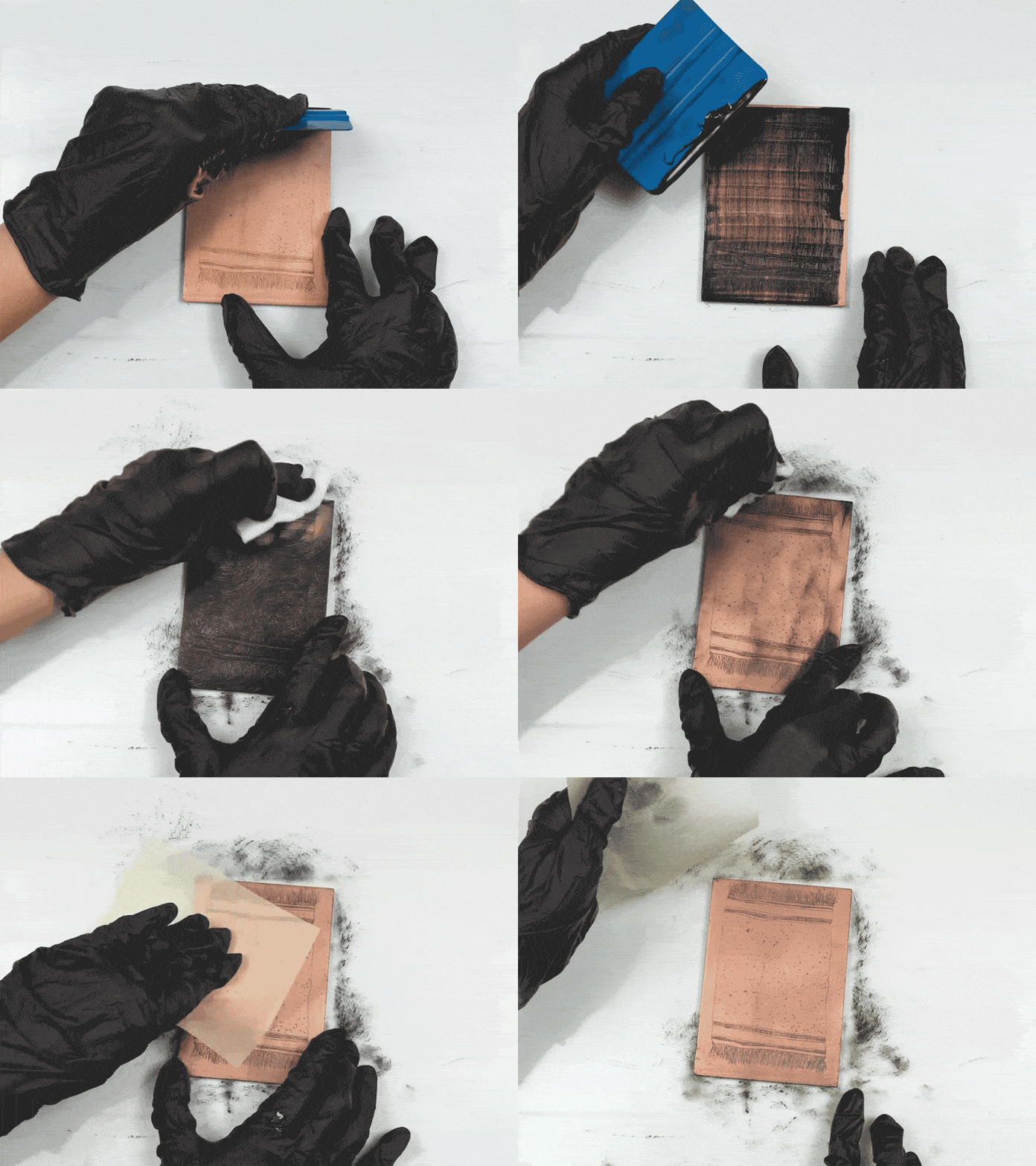
Etching is a form of printmaking that involves creating designs on a copper plate, using an acid-resistant material like wax or resin. The artist scratches through this material to expose the metal underneath. The plate is then submerged in an acid bath, which bites into the exposed areas, creating grooves....
PARENT TECHNIQUE
Woodcut
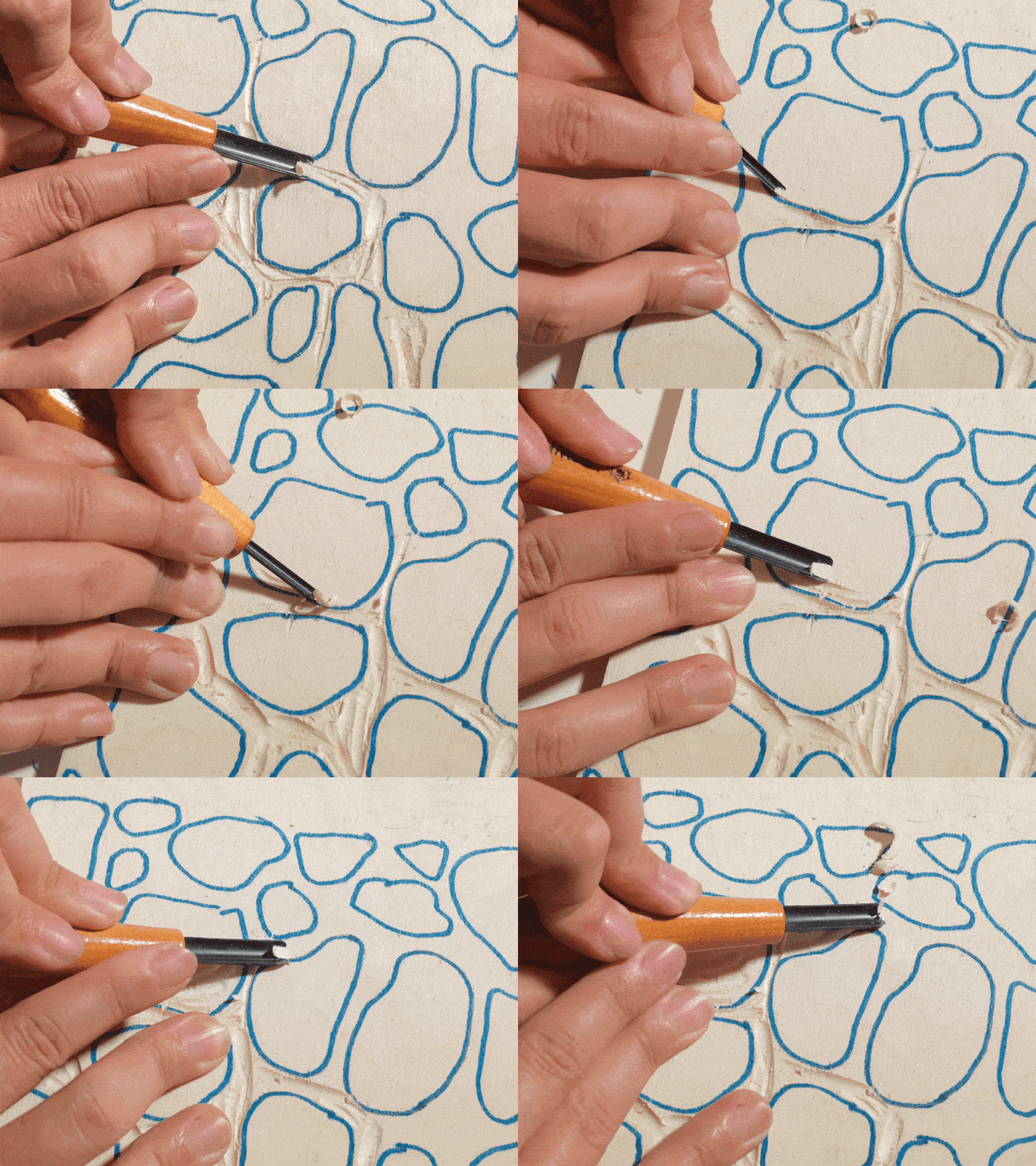
Woodcut is a form of printmaking where an image is carved into a block of wood, leaving the raised areas to be inked and printed onto paper or fabric. This process dates back to ancient China and has since been practiced globally. Artists typically use tools like chisels and knives...
COMPLEMENTARY WORKS
Winter
Georg Baselitz

