ARTIST
Richard Tuttle
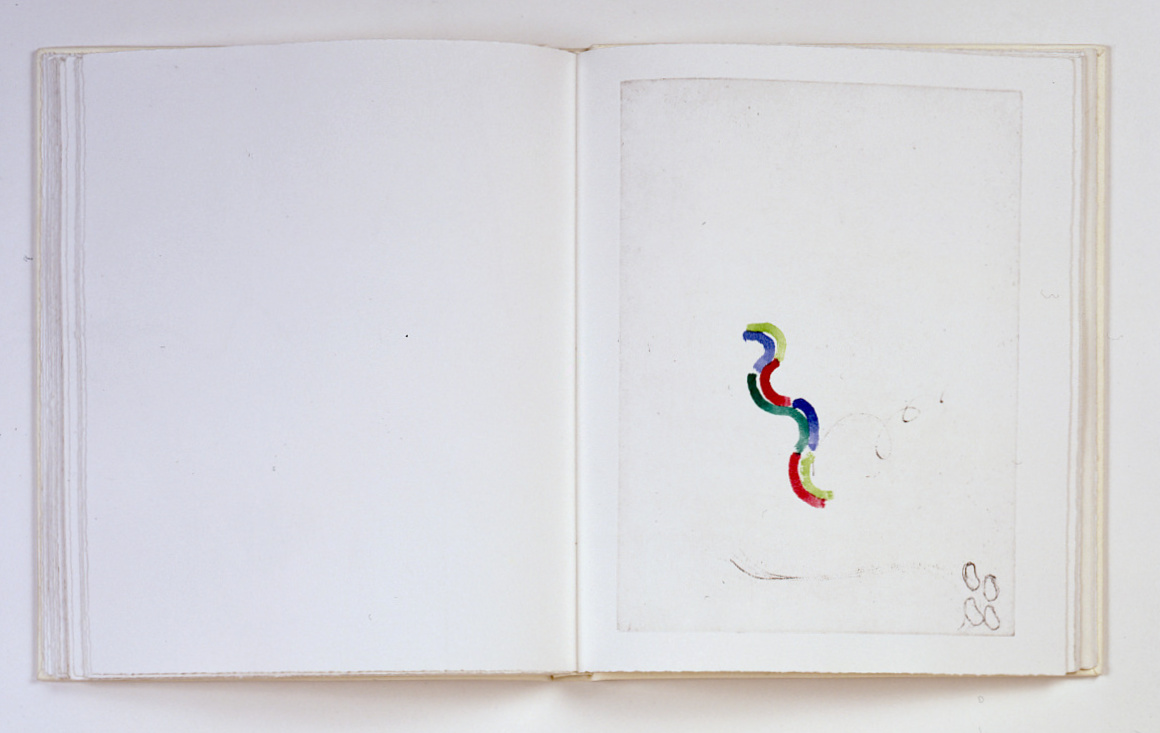
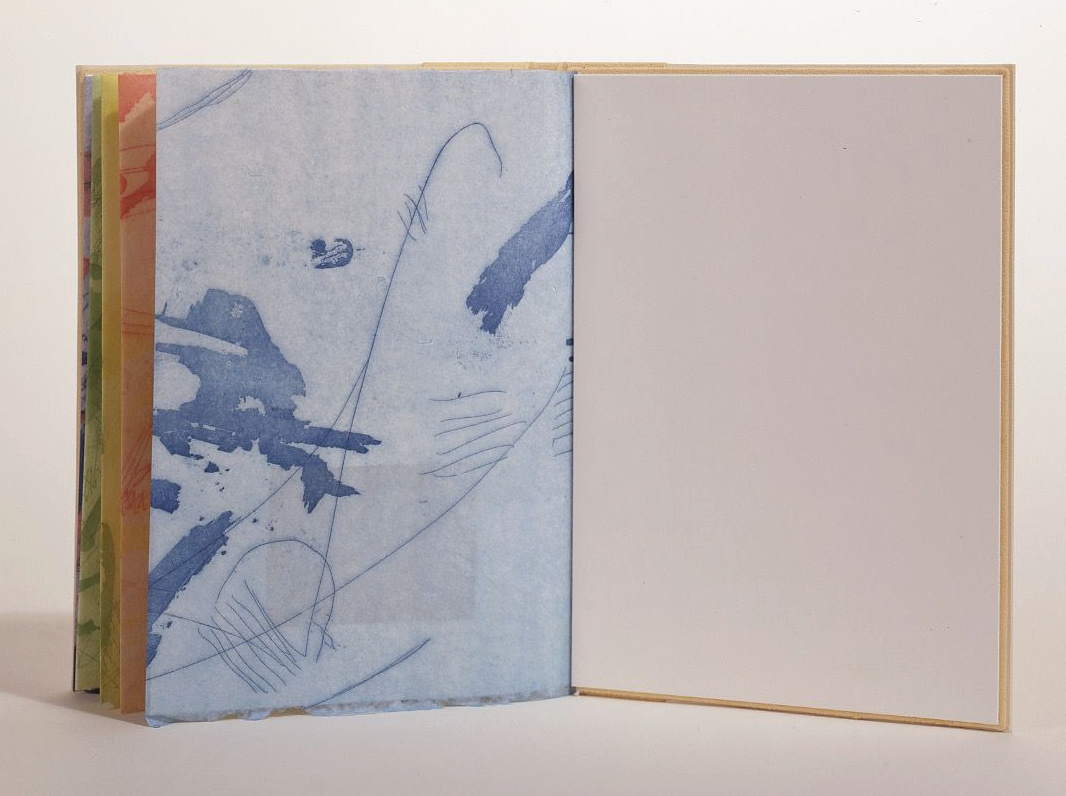
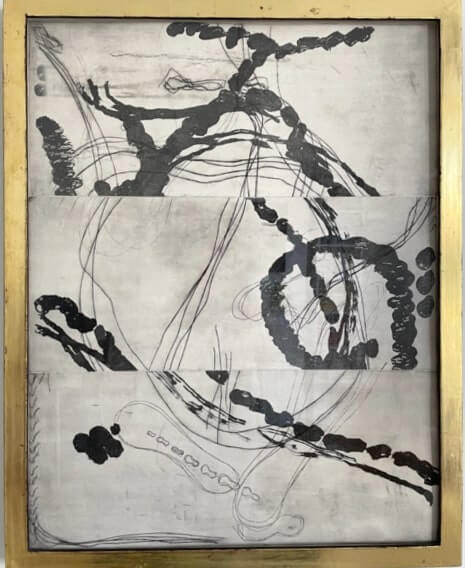
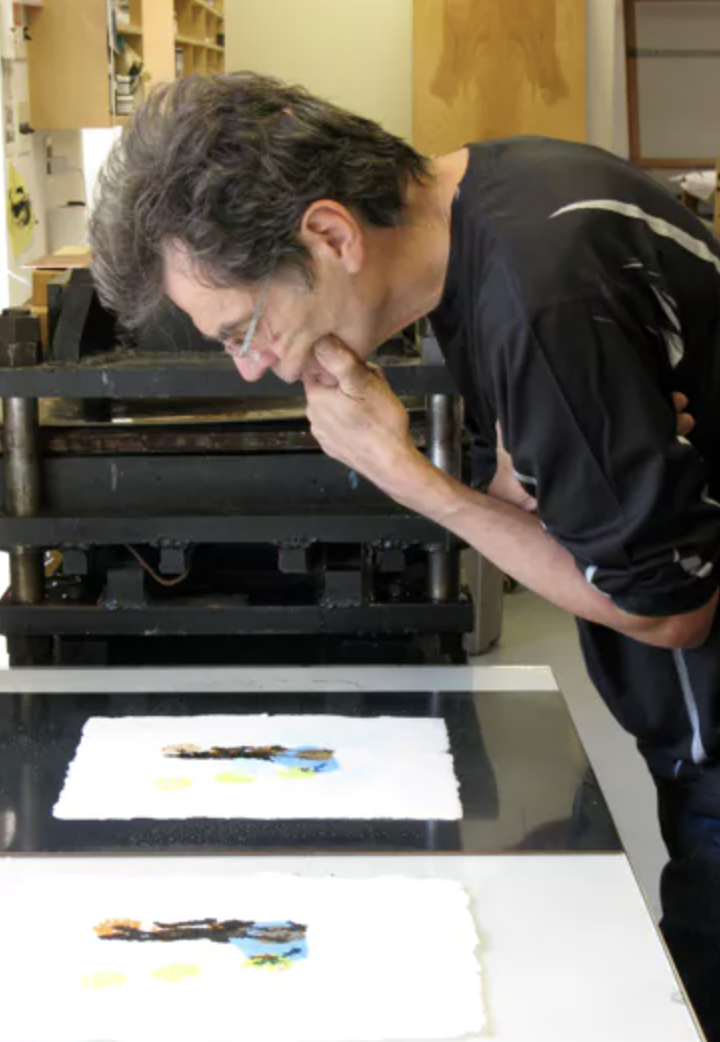
Richard Tuttle, born in 1941 in Rahway, New Jersey, is celebrated for his minimalist and abstract artworks that defy traditional artistic conventions. Initially influenced by the minimalist movement, Tuttle swiftly developed his distinctive style, characterized by playful experimentation with various materials and techniques. His pieces often feature simple shapes like squares and circles, yet they exude a sense of creativity and innovation. Tuttle has worked across diverse mediums including painting, sculpture, drawing, and printmaking, collaborating with architects and designers on notable projects. Despite his acclaim, Tuttle remains committed to pushing artistic boundaries, continually challenging perceptions of space, form, and color, leaving a profound impact on contemporary art.
Biography
Born: 1941, Rahway, New Jersey
Richard Tuttle is an American artist known for his minimalist and abstract works that challenge traditional notions of art and its presentation. Born in Rahway, New Jersey in 1941, Tuttle studied at Trinity College in Hartford, Connecticut before moving to New York City in the 1960s.
Tuttle's early works were influenced by the minimalist movement, but he quickly developed his own unique style that incorporated a wide range of materials and techniques. His works often feature simple shapes and forms, such as squares, circles, and lines, but they are imbued with a sense of playfulness and experimentation. Throughout his career, Tuttle has worked in a variety of media, including painting, sculpture, drawing, and printmaking. He has also collaborated with architects and designers on a number of projects, including the design of a public park in New York City.
Despite his immense success, Tuttle continues to explore new ideas and pushing the boundaries of art. He continues to create works that challenge our perceptions of space, form, and color, and his influence can be seen in the work of many contemporary artists.