ARTIST
Ed Ruscha
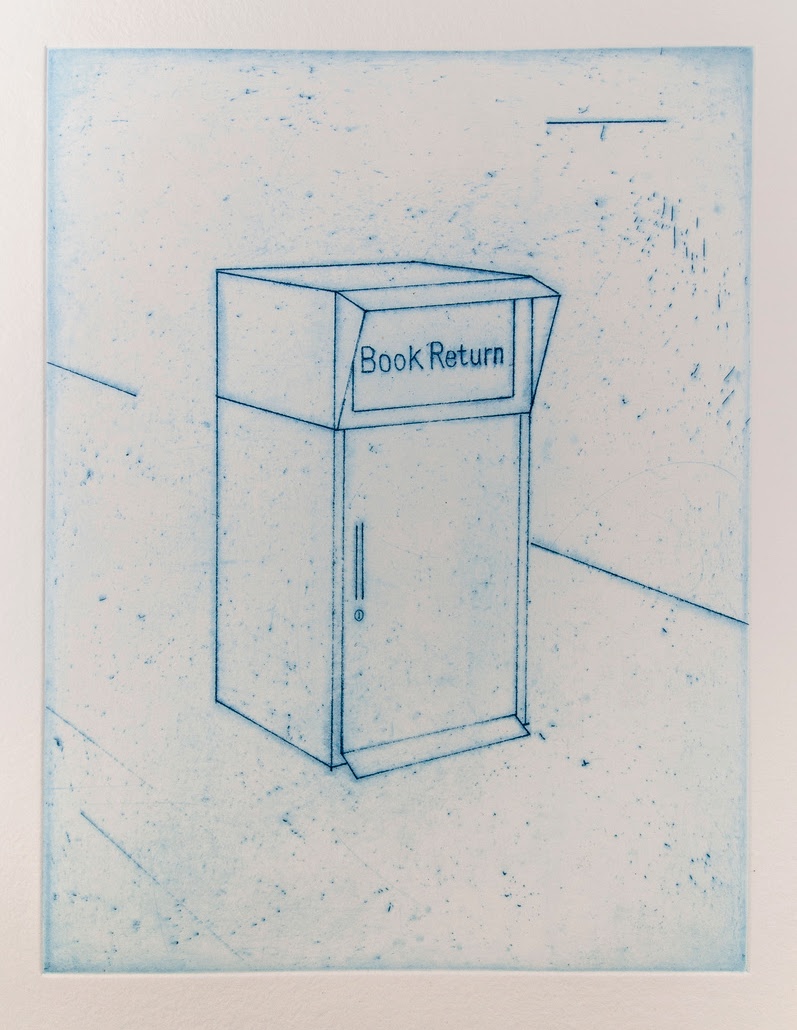
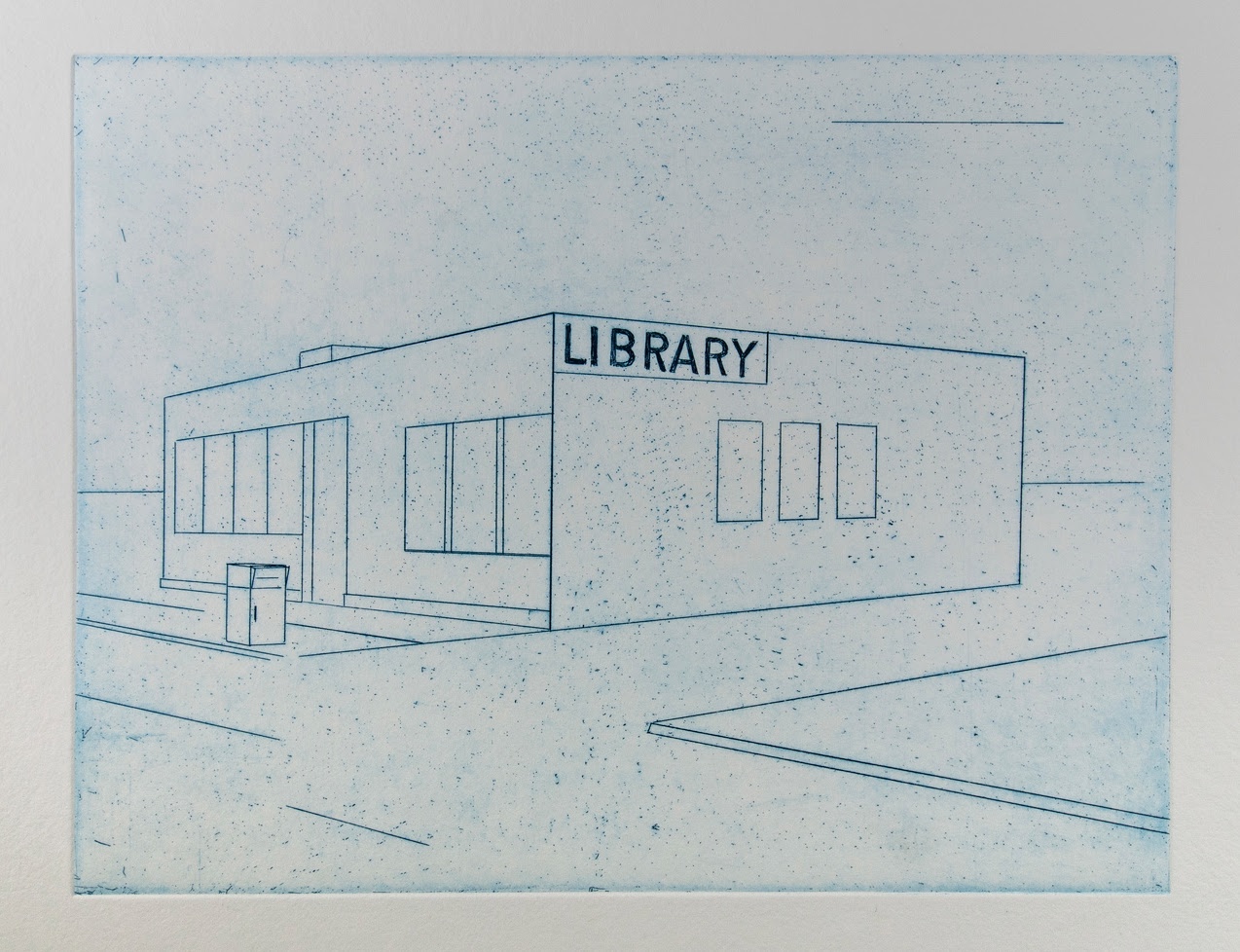
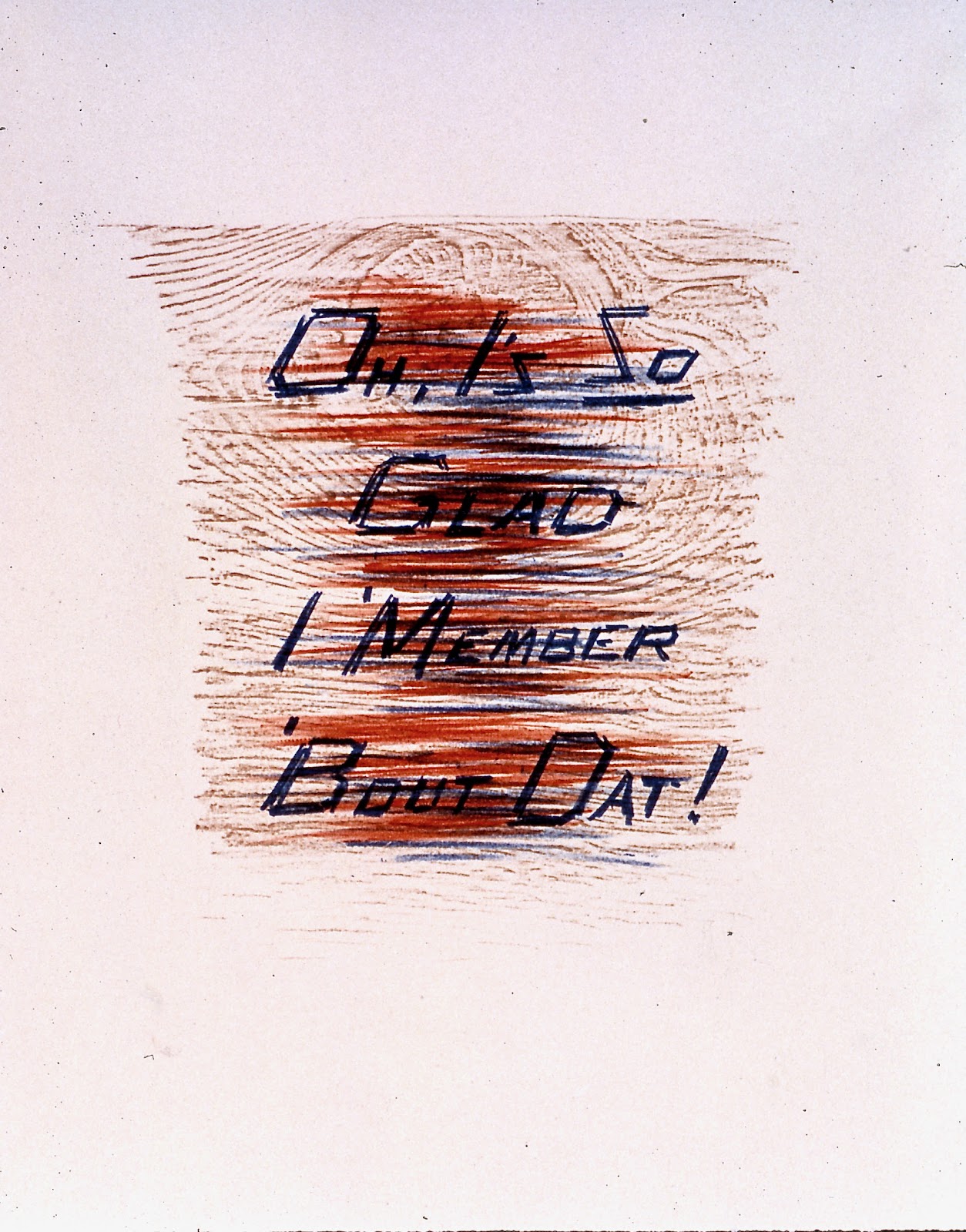
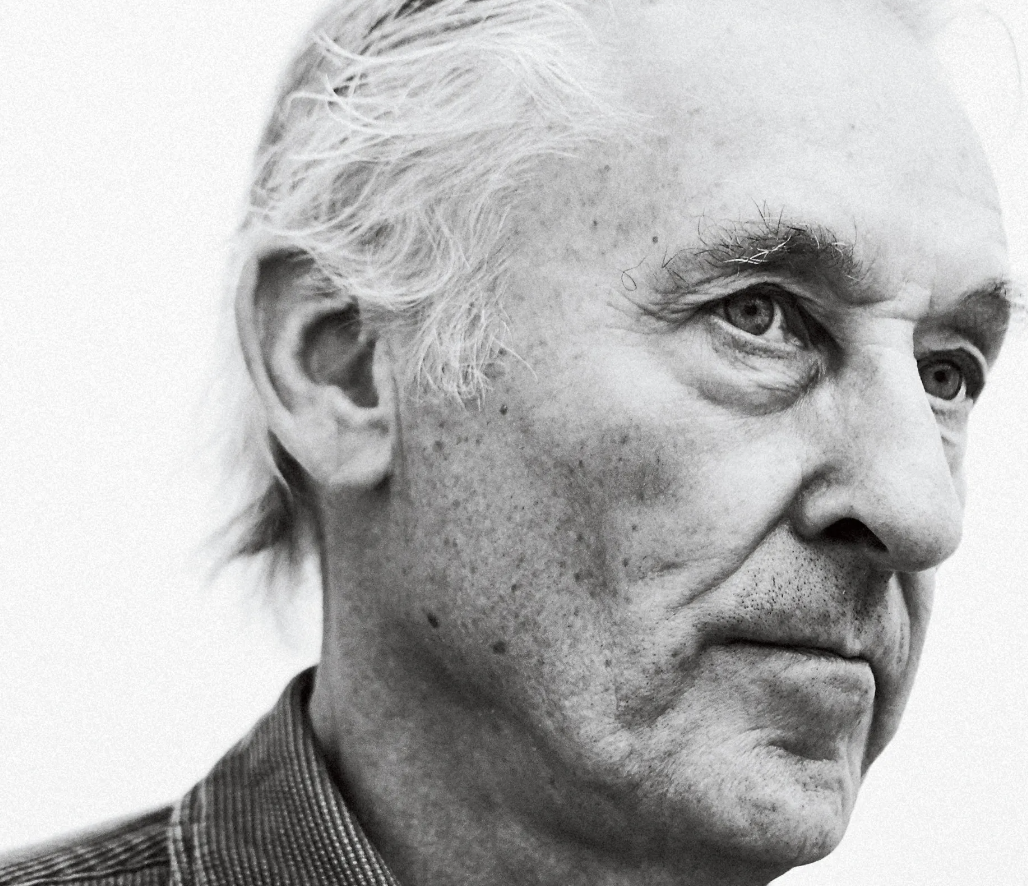
Ed Ruscha, born December 16, 1937, in Omaha, Nebraska, is a leading American artist associated with the Pop Art movement. His work, characterized by bold graphic images and text, explores themes of consumer culture and the American West. Ruscha's innovative approach spans painting, drawing, photography, and printmaking, often utilizing text to create visual puns. Notable works include "Twenty-Six Gasoline Stations" and "Every Building on the Sunset Strip." Ruscha's ongoing creativity challenges traditional notions of art, reflecting his commitment to pushing boundaries.
Biography
Born: 1937, Omaha, Nebraska
Ed Ruscha is an American artist born on December 16, 1937, in Omaha, Nebraska. He is widely recognized for his contributions to the Pop Art movement and his unique approach to painting, drawing, and photography. Ruscha's work often features bold, graphic images and text, which he uses to explore themes of consumer culture, language, and the American West.
Ruscha studied at the Chouinard Art Institute in Los Angeles, where he was exposed to the work of artists like Jasper Johns and Robert Rauschenberg. In the early 1960s, he began to gain recognition for his paintings of gas stations, parking lots, and other mundane urban landscapes. These works, which were often executed in a flat, graphic style, helped to establish Ruscha as a leading figure in the Pop Art movement. Throughout his career, Ruscha has experimented with a wide range of media, including painting, drawing, photography, and printmaking. He has also worked extensively with text, using words and phrases to create visual puns and explore the relationship between language and image. Some of his most famous works include the series "Twenty-Six Gasoline Stations," "Every Building on the Sunset Strip," and "Standard Station, Amarillo, Texas."
Ruschais an avid collector of books and has published several volumes of his own photography and writing. Today, Ruscha continues to create innovative and thought-provoking works that challenge our perceptions of art and the world around us.